A Storm Eases in the Eastern United States as Snow, Rain and Coastal Flooding Continue Across the South, West and Northern Rockies

WASHINGTON, DC — A broad storm system is slowly pulling away from the eastern United States, easing heavy rain and leaving some flooded communities to clean up after a rough holiday stretch. At the same time, snow, rain and coastal flooding are still affecting parts of the South, Midwest and West.
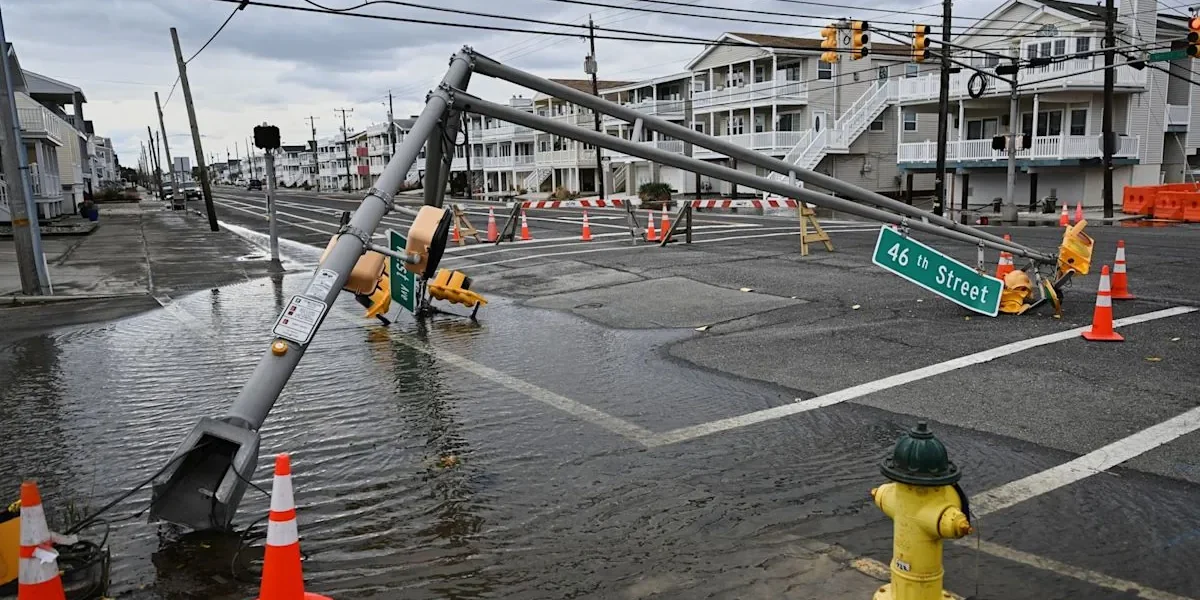
The system has already disrupted travel, knocked down trees and power lines, and prompted water rescues from New York to Virginia. Officials say conditions should improve in the East through Saturday, but some flood threats and service disruptions will linger a bit longer.
Right now
The National Weather Service said the large system will take time to weaken, even as conditions improve across the eastern United States. Coastal flood warnings remained in effect from New Jersey to Virginia, where some communities were still watching for high-tide flooding after several days of storm impacts.
Power outages also continued to fall as crews worked across hard-hit areas. By late Friday evening, outages were down to about 230,000 from a peak of more than 900,000 on Thursday, according to poweroutage.us. Pennsylvania had the most outages, followed by Missouri, where snow caused additional problems.
What to expect
The eastern storm was expected to leave the region Saturday morning, with drier weather moving in by Sunday. In the meantime, some locations were still dealing with the aftermath of flooding, including damaged property, closed beach access and ongoing cleanup in coastal towns.
Farther south, Tennessee was under a winter storm warning Friday for up to an inch of snow after rain changed to light snow on Thanksgiving. In the Midwest, conditions were calmer than the previous day, when eastern Missouri saw as much as 15 inches of snow and the roof of an ice arena in Wentzville caved in.
On the Pacific coast, waves driven by high tides continued to cause flooding and interfere with train service. Amtrak’s Pacific Surfliner canceled or shortened more than a dozen trips between San Diego and Los Angeles, and buses were used in place of some trains as record tides affected the shoreline.
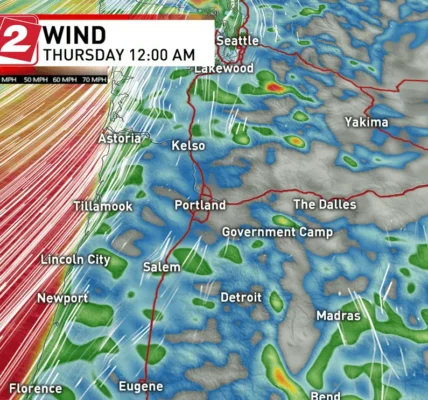
Another round of wet weather was also moving through the Northwest, with rain along coastal Oregon and more snow expected in the Cascade Range, plus mountain passes in Montana and Wyoming. The weather service said a renewed surge of moisture tied to an atmospheric river was pushing into the northern Rockies.
Bottom line
The main Eastern storm is fading, but the cleanup is far from over for communities dealing with flooded homes, power outages and storm damage. In other parts of the country, snow, ice, high tides and mountain snow will keep travel and coastal conditions messy for another day or two.
Residents in affected areas should keep an eye on local alerts, avoid flooded roads and check travel plans before heading out. Coastal residents should stay aware of tide-related flooding, and mountain travelers should be ready for changing conditions.